The math doesn’t add up. The Biden administration wants 50% of all vehicle sales to be electric by 2030, but current charging infrastructure can barely handle today’s 7% market share. With major automakers like Ford, GM, and Stellantis banking on massive EV rollouts by 2026, the charging network gap threatens to derail the entire transition.
Tesla’s Supercharger network, once the gold standard, now shows wait times exceeding 45 minutes during peak travel periods. Meanwhile, non-Tesla drivers face even worse conditions: ChargePoint stations with 40% uptime rates and Electrify America locations plagued by software glitches that leave drivers stranded.
The Numbers Tell a Stark Story
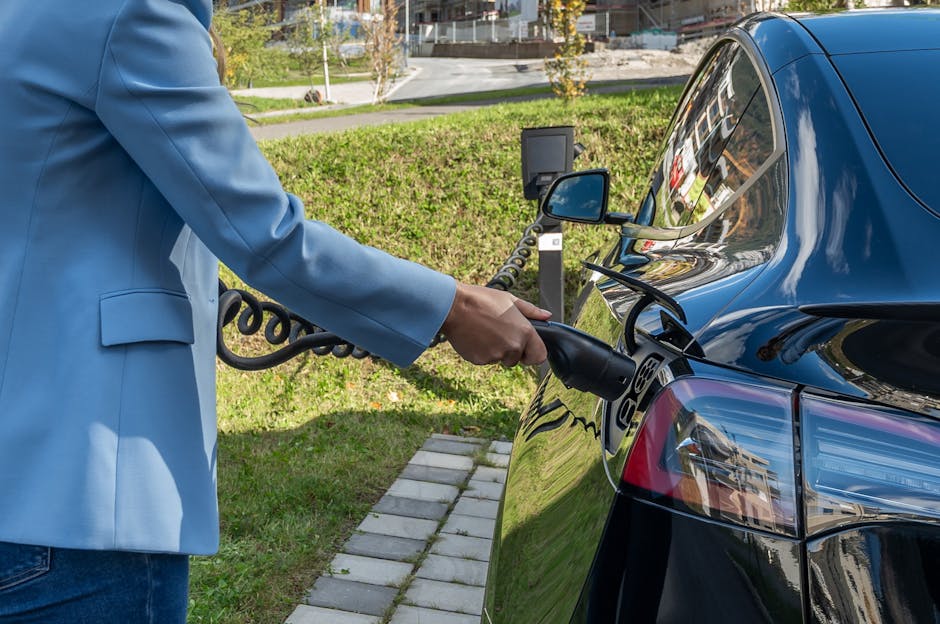
The United States currently operates roughly 60,000 public charging stations, compared to 150,000 gas stations. But here’s the critical difference: filling a gas tank takes 5 minutes, while charging an EV requires 30-60 minutes even with fast chargers.
Industry analysts project we need 1.2 million public chargers by 2030 to support widespread adoption. That’s a 20x increase in seven years. Current installation rates hover around 1,000 new stations per month – nowhere near the 14,000 monthly installations required to meet targets.
The Infrastructure Investment and Jobs Act allocated $7.5 billion for charging networks, but bureaucratic delays have slowed deployment. As of December 2023, only four charging stations had been built with federal funds, despite the program launching in 2021.
Regional Disparities Create EV Deserts
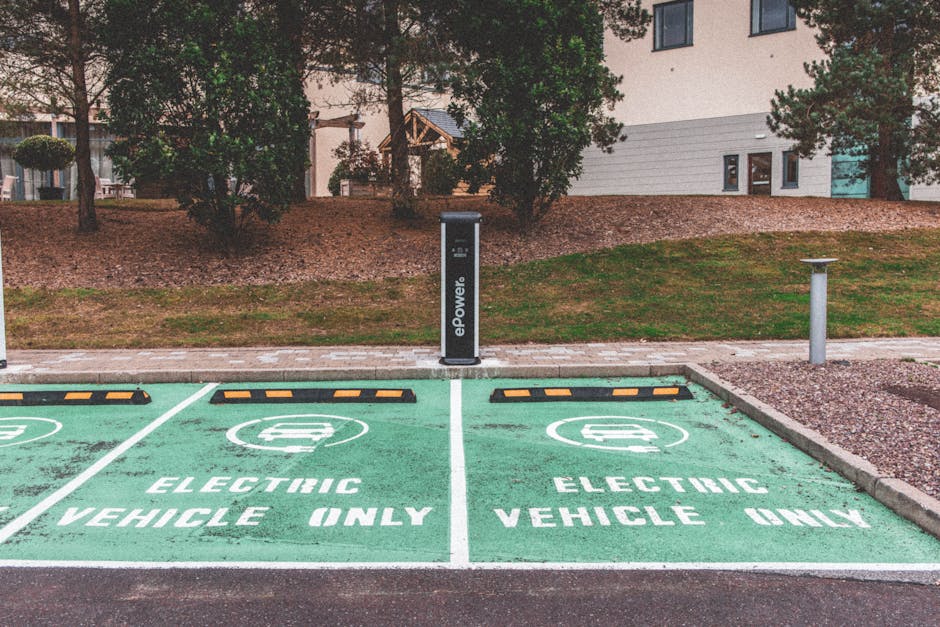
California leads with 15,000 public charging ports, while Wyoming operates just 45. This disparity creates “EV deserts” where long-distance travel becomes impossible without careful route planning and backup options.
Rural America faces particular challenges. A drive from Denver to Salt Lake City – a common route for business travelers – has just three fast-charging locations along 525 miles of highway. Compare that to 47 gas stations on the same stretch.
Automaker Commitments Outpace Infrastructure Reality
Ford plans to produce 600,000 EVs annually by 2026, tripling current output. GM targets 1 million EV sales by 2025. Stellantis promises 25 new electric models by 2026. Combined, these three manufacturers alone could add 2 million new EVs to American roads within three years.
But charging infrastructure isn’t keeping pace. Tesla recently paused construction on new Supercharger sites after laying off its entire charging team, though the company later reversed course. Meanwhile, startup charging companies like EVgo and ChargePoint face funding shortfalls that limit expansion plans.
The Apartment Dwelling Problem
Roughly 37% of Americans live in apartments or condos without access to home charging. This demographic – primarily urban dwellers in their 20s and 30s – represents the core market for EV adoption, yet faces the highest barriers to ownership.
Installing charging stations in existing apartment buildings costs $3,000-$6,000 per unit, plus ongoing electrical upgrades. Most landlords resist these investments without clear return prospects, creating a chicken-and-egg scenario that stalls urban EV adoption.
Corporate Solutions Emerge, But Slowly
Some companies are taking matters into their own hands. Walmart announced plans for thousands of fast chargers at store locations by 2030. Target, Kroger, and Meijer have similar initiatives underway. These retail-focused charging hubs address the “charge while you shop” model that many experts believe will define future EV infrastructure.
Amazon’s logistics division is building charging networks to support its delivery fleet, with plans to open excess capacity to the public. This corporate-driven approach may prove faster than government-led initiatives, though coverage will remain spotty.
What This Means for Car Buyers
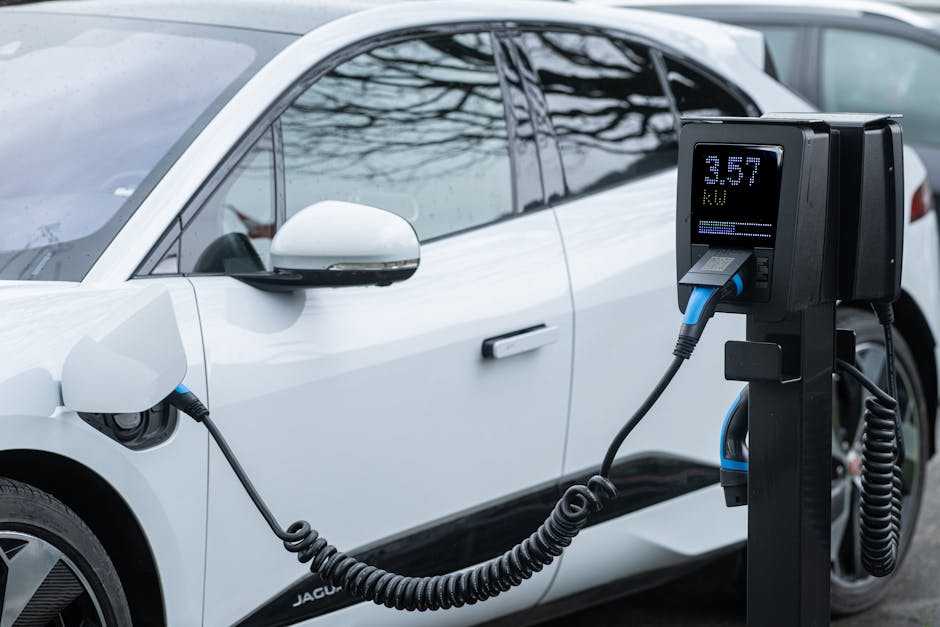
If you’re considering an EV purchase before 2026, location matters more than vehicle specs. Urban buyers in California, Texas, and Florida face manageable charging situations. Rural residents in Montana, Wyoming, or North Dakota should wait until infrastructure catches up.
For businesses evaluating fleet electrification, the timeline depends on usage patterns. Local delivery fleets can transition immediately with depot charging. Long-haul operations need to delay until 2027-2028 when highway charging networks mature.
The Home Charging Advantage
Homeowners with garages hold a massive advantage in the EV transition. Installing a Level 2 charger costs $500-$1,500 and provides overnight charging that eliminates range anxiety for daily commuting. This demographic will likely drive early adoption while apartment dwellers wait for public infrastructure.
The Path Forward
The charging infrastructure shortage won’t derail EV adoption entirely, but it will slow the timeline and create geographic disparities. Early adopters in EV-friendly regions will enjoy improving infrastructure, while late adopters in underserved areas may wait until 2028-2030 for adequate charging access.
Smart buyers should evaluate their specific needs: daily driving distance, home charging options, and regional infrastructure before making EV commitments. The 2026 adoption goals remain achievable in select markets, but nationwide EV dominance will require another decade of infrastructure development.
For investors and policymakers, the message is clear: charging infrastructure represents the bottleneck that determines EV success or failure. Without dramatic acceleration in charging station deployment, even the best electric vehicles will struggle to find mainstream acceptance.