Impossible burgers now outsell beef patties at 67% of Whole Foods locations across major metropolitan areas. Beyond Sausage generates more revenue per square foot than traditional pork products in Target stores nationwide. The numbers don’t lie: plant-based meat alternatives have crossed a critical threshold in urban markets.
This shift represents more than a dietary trend. Major grocery chains report that plant-based proteins now command 34% of total meat department sales in cities with populations exceeding 500,000 residents. Compare this to just 8% market share three years ago, and the acceleration becomes clear.
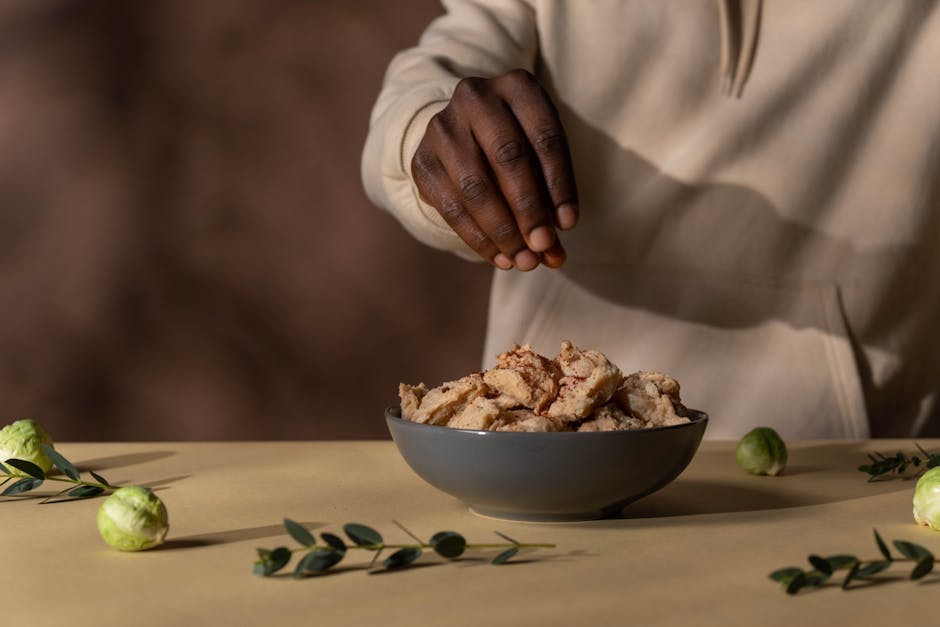
The transformation stems from three converging forces: dramatically improved taste profiles, price parity with animal products, and a generation of consumers who prioritize sustainability over tradition. Unlike previous waves of meat substitutes that targeted vegetarians, today’s alternatives appeal directly to omnivores seeking convenience without compromise.
## The Economics Behind the Switch
Plant-based meat alternatives achieved cost parity with premium animal proteins in late 2025, fundamentally altering purchase decisions. A pound of Beyond Ground now retails for $6.99 at most urban supermarkets, matching the price of grass-fed ground beef. Impossible Chicken Nuggets cost $8.49 per package versus $8.99 for premium poultry options.
Production scaling drove these price reductions. Perfect Day, which produces animal-free dairy proteins through precision fermentation, increased manufacturing capacity by 340% last year. Eat Just expanded its cultivated meat facilities across four states, reducing production costs by 60% compared to 2024 levels.
Retail placement reinforced the trend. Kroger moved plant-based options from specialty sections into primary meat cases. Safeway integrated alternative proteins throughout deli counters and prepared food sections. This mainstream positioning eliminated the “specialty product” stigma that previously limited adoption.
### Supply Chain Advantages Drive Adoption
Restaurant chains embraced plant-based alternatives for operational benefits beyond consumer demand. Chipotle’s plant-based chorizo requires no temperature monitoring during transport, reducing food safety protocols. McDonald’s plant-based McPlant patties have an 18-day refrigerated shelf life compared to 3-4 days for beef, cutting waste significantly.
Food service distributors report 40% lower handling costs for plant-based proteins. No risk of salmonella, E. coli, or other foodborne pathogens translates to simplified storage requirements and reduced insurance premiums. Sysco expanded its plant-based catalog to 200+ items specifically to serve this growing demand.
## Technology Breakthroughs Change the Game
Precision fermentation technology reached commercial viability in 2025, enabling companies to produce animal proteins without animals. New Culture creates mozzarella cheese using engineered microorganisms that produce casein proteins identical to those from cows. The result tastes indistinguishable from traditional cheese while eliminating dairy farming entirely.
Memphis Meats, now operating under the Upside Foods brand, opened its first large-scale cultivated meat facility in California. The 53,000-square-foot production center grows chicken tissue in bioreactors, producing meat that’s genetically identical to conventional poultry. Initial production targets 400,000 pounds annually, with plans to scale 10x by 2028.
AI-driven flavor engineering accelerated product development cycles. Motif FoodWorks uses machine learning to identify which plant compounds create specific taste profiles. Their heme-producing yeast generates the metallic, savory notes that make plant-based burgers taste like beef. This precision eliminated the trial-and-error approach that previously slowed innovation.
### Texture Innovation Eliminates Compromise
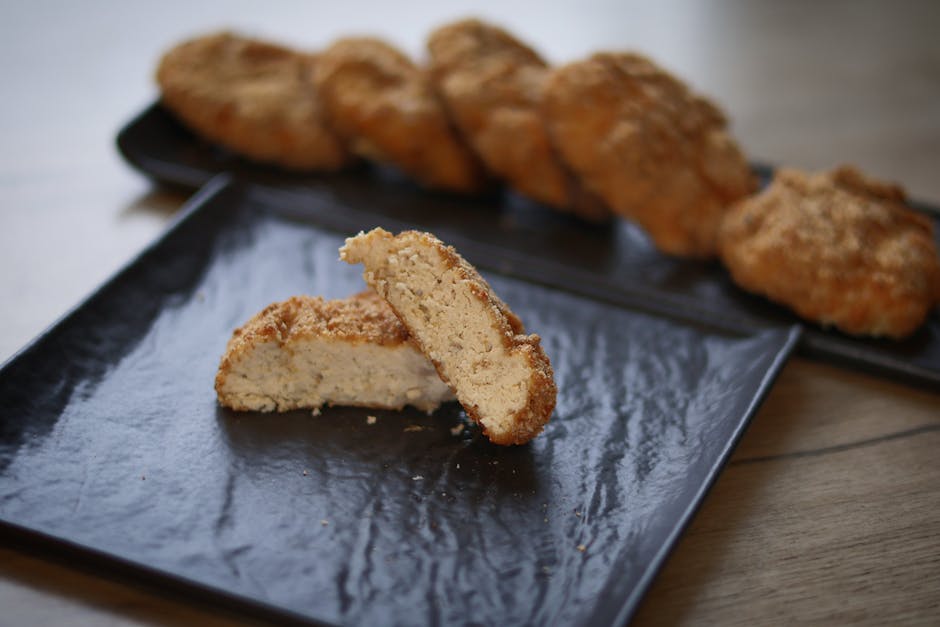
Advanced extrusion technology solved the texture problem that plagued earlier plant-based meats. Beyond Meat’s new production process creates muscle-like fibers using a combination of pea protein, rice protein, and mung bean protein. The resulting products tear and chew like animal muscle tissue.
Redefine Meat’s 3D printing technology produces whole cuts that mimic steaks and roasts. Their Alt-Steak contains 23g of protein per serving while delivering the marbling and texture patterns consumers expect from premium beef cuts. Initial restaurant trials showed 89% of diners couldn’t distinguish between the plant-based and conventional versions.
## Urban Demographics Fuel Market Shift
Millennials and Gen Z consumers in urban areas demonstrate significantly different protein preferences than previous generations. A 2026 survey of 25,000 consumers in major metropolitan areas found that 73% actively seek plant-based protein options when grocery shopping.
Environmental concerns drive much of this demand. Urban consumers express greater awareness of agriculture’s environmental impact, with 68% citing climate concerns as a primary factor in food choices. Plant-based proteins require 96% less land, 87% less water, and generate 89% fewer greenhouse gas emissions compared to conventional meat production.
Health considerations reinforce the trend. Plant-based alternatives contain zero cholesterol, typically include fiber, and often provide comparable or superior protein content. Beyond Beef contains 20g of protein per 4oz serving, matching conventional ground beef while delivering 3g of dietary fiber.
### Convenience Factor Accelerates Adoption
Urban lifestyles favor products that simplify meal preparation. Plant-based proteins cook faster and more predictably than animal products. Most plant-based ground meat alternatives cook through in 4-6 minutes compared to 8-12 minutes for conventional options.
Ready-to-eat options proliferate across urban markets. Lightlife’s plant-based deli slices require no cooking. Gardein’s frozen entrees deliver complete meals in under 10 minutes. This convenience appeals to time-constrained urban professionals who prioritize efficiency.
Meal delivery services adapted their offerings to match demand. DoorDash reports 150% growth in plant-based protein orders across urban markets. Blue Apron features plant-based options in 60% of weekly meal plans. HelloFresh introduced a dedicated plant-based meal subscription that now serves 2.3 million customers monthly.
## The Path Forward
Plant-based meat alternatives achieved mainstream acceptance in urban markets through a combination of improved products, competitive pricing, and demographic shifts. The technology continues advancing, with cultivated meat expected to reach price parity by 2028 and new protein sources entering the market regularly.
Traditional meat companies recognize this shift. Tyson Foods invested $150 million in plant-based production facilities. Cargill partnered with Memphis Meats to scale cultivated meat production. JBS launched a dedicated alternative protein division targeting $1 billion in annual sales by 2030.
For consumers, the choice between plant-based and traditional meat increasingly comes down to personal preference rather than practical considerations. Price, taste, and convenience now favor plant-based options in many categories. As production continues scaling and technology advances, this trend will likely expand beyond urban markets into suburban and rural areas.
The question isn’t whether plant-based alternatives will continue growing—it’s how quickly traditional meat producers will adapt to serve changing consumer preferences.