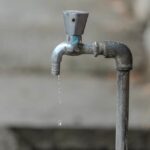
California’s taps will soon be controlled by the state. Starting March 2026, every household, business, and farm will face mandatory water limits under the first statewide rationing program in the state’s history.
The decision comes after three consecutive years of record-breaking drought depleted California’s reservoirs to critical levels. Lake Shasta sits at just 12% capacity, while the Colorado River allocation to Southern California has been cut by 40%. Governor Newsom announced the emergency measures following a unanimous vote by the State Water Resources Control Board.
The rationing affects 39 million residents and represents the most aggressive water conservation effort since the 1976-1977 drought. Unlike previous voluntary programs, these restrictions carry real penalties: fines up to $10,000 for excessive use and potential service shutoffs for repeat violators.
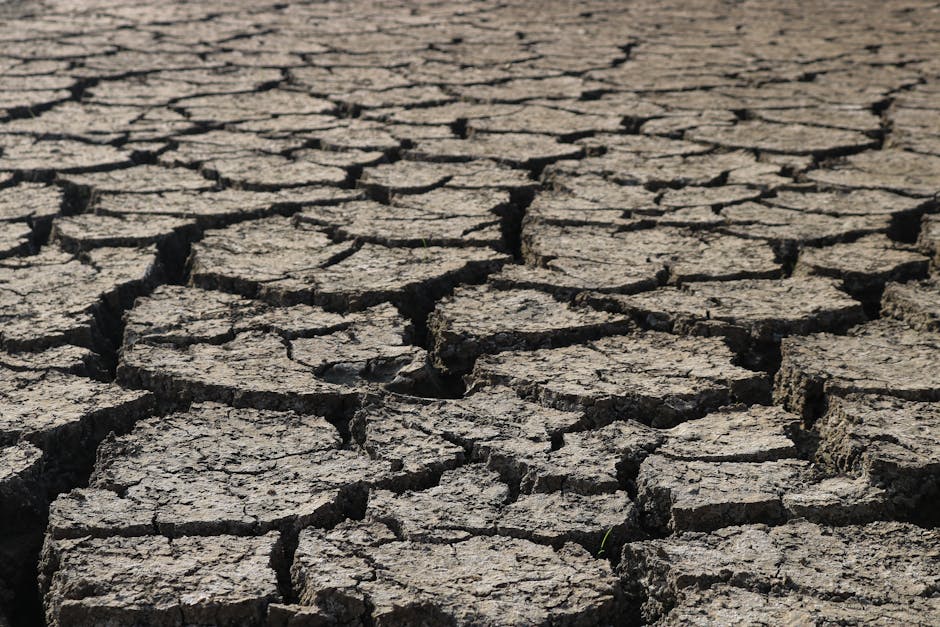
## Household Water Limits Hit Every California Home
Residential customers face an immediate 30% reduction from their 2023 baseline usage. For the average California household using 60 gallons per person daily, this drops to 42 gallons. The state will monitor usage through smart meters already installed in 85% of homes.
Outdoor watering takes the biggest hit. Lawn irrigation is banned except on designated days determined by address. Even-numbered addresses can water on Tuesdays and Saturdays, odd-numbered on Wednesdays and Sundays. All watering must occur between 6 AM and 9 AM to minimize evaporation.
Swimming pools face new restrictions too. Filling pools larger than 500 gallons requires a permit, and existing pools must be covered when not in use. Pool service companies report a 60% spike in cover installations since the announcement.
### Enforcement Gets Serious
Water districts are hiring “conservation officers” to patrol neighborhoods and issue citations. San Diego already deployed 50 officers who can fine residents $500 for first violations. Sacramento plans to install flow restrictors on homes exceeding their allocation by more than 20%.
The penalties escalate quickly. Second violations bring $1,500 fines, third violations reach $5,000, and chronic violators face service termination. Appeals go through local water boards, but the burden of proof falls on customers to justify excessive use.
## Agriculture Faces Devastating 50% Cuts
California’s $50 billion agricultural sector bears the heaviest burden under the new program. Farmers must reduce water consumption by 50% compared to 2023 levels, forcing impossible choices about which crops to save.
Central Valley farmers are already making these decisions. Almond growers are ripping out young trees that haven’t reached production yet. Tomato farmers are switching to dryland varieties that yield less but need no irrigation. Some are selling water rights to urban areas at prices reaching $2,000 per acre-foot.
The impact ripples through the food supply. California produces 80% of America’s almonds, 95% of broccoli, and 99% of artichokes. Food economists predict 15-25% price increases for these crops by late 2026.
### Innovation Emerges from Crisis
Desperate farmers are embracing technology at unprecedented rates. Drip irrigation systems that target individual plants are replacing flood irrigation across thousands of acres. Soil moisture sensors prevent overwatering, while drone surveys identify stressed crops before visible damage occurs.
Vertical farming companies report 300% growth in inquiries from California agricultural operations. These controlled environments use 95% less water than traditional farming but require significant upfront investment. AppHarvest expanded its Morehead, Kentucky facility specifically to serve California markets.
Some farmers are partnering with tech companies on experimental projects. A Fresno County farm is testing atmospheric water generation systems that pull moisture from air. Early results show promise for high-value crops like strawberries and herbs.
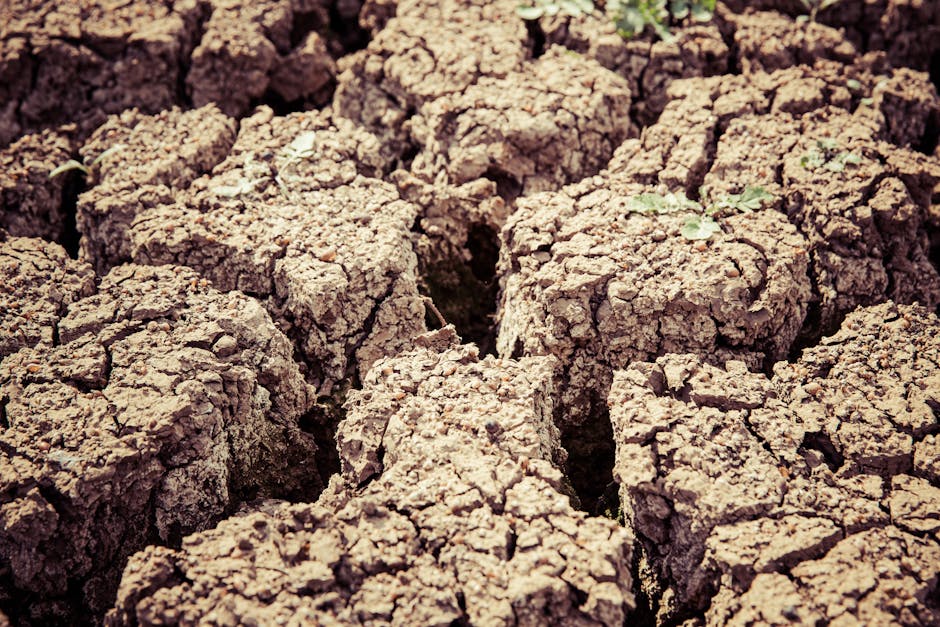
## Business Sector Scrambles for Water-Efficient Solutions
Commercial water users face 25% reductions with industry-specific guidelines. Restaurants must serve water only upon request and use low-flow fixtures. Hotels can no longer offer daily towel and linen changes unless guests specifically request them.
Manufacturing takes harder hits. Semiconductor fabrication plants, which use millions of gallons daily, are fast-tracking water recycling upgrades. Intel’s Santa Clara facility invested $200 million in closed-loop water systems that recycle 85% of process water.
Data centers face scrutiny too. These facilities use water for cooling massive server farms, and California hosts 15% of global data center capacity. Google announced a $500 million investment in air cooling systems for its Mountain View campus, while Microsoft is testing underwater data centers off the California coast.
### Service Industries Adapt Quickly
Car wash chains are switching to waterless cleaning products and recycling systems. Eco-friendly options using foam cleaners and microfiber cloths are becoming standard. Some chains report water usage drops of 80% with minimal customer complaints.
Landscaping companies are pivoting their entire business models. Traditional lawn care is being replaced by drought-resistant native plants and artificial turf installation. Xeriscaping—landscaping with low-water plants—has become a $2 billion industry in California almost overnight.
Golf courses represent a particular challenge, using up to 130 million gallons annually for an 18-hole course. Many are converting to drought-resistant grass varieties or reducing playable areas. Pebble Beach Golf Links spent $15 million replacing traditional grass with hardier alternatives that use 40% less water.
## What This Means for California’s Future
The 2026 rationing program signals a permanent shift in how California manages water. State officials emphasize this isn’t a temporary emergency measure—it’s the new reality for America’s most populous state.
The program will remain in effect until reservoir levels reach 60% capacity statewide, a threshold that water experts say may not happen until 2028 or beyond. This assumes normal precipitation returns, which climate models suggest is increasingly unlikely.
Smart preparation starts now. Homeowners should prioritize water-efficient appliances, drought-resistant landscaping, and rainwater collection systems where permitted. Businesses must audit their water usage and invest in conservation technologies before enforcement begins.
The rationing program represents more than water conservation—it’s California leading the nation toward a water-scarce future that climate change is bringing to much of the American West. Other states are watching closely as their own water supplies dwindle.