Microsoft’s $80 billion AI datacenter investment announcement last month came with a surprising twist: nuclear power partnerships. Google followed with its own nuclear energy deals, and Amazon isn’t far behind. The tech giants are betting big on nuclear to power their AI ambitions while meeting climate pledges.
But here’s the reality check: nuclear energy’s comeback won’t deliver the climate wins policymakers are promising by 2026. The physics of nuclear construction, regulatory approval, and grid integration make these timelines fantasy, not strategy.
The Nuclear Construction Timeline Reality
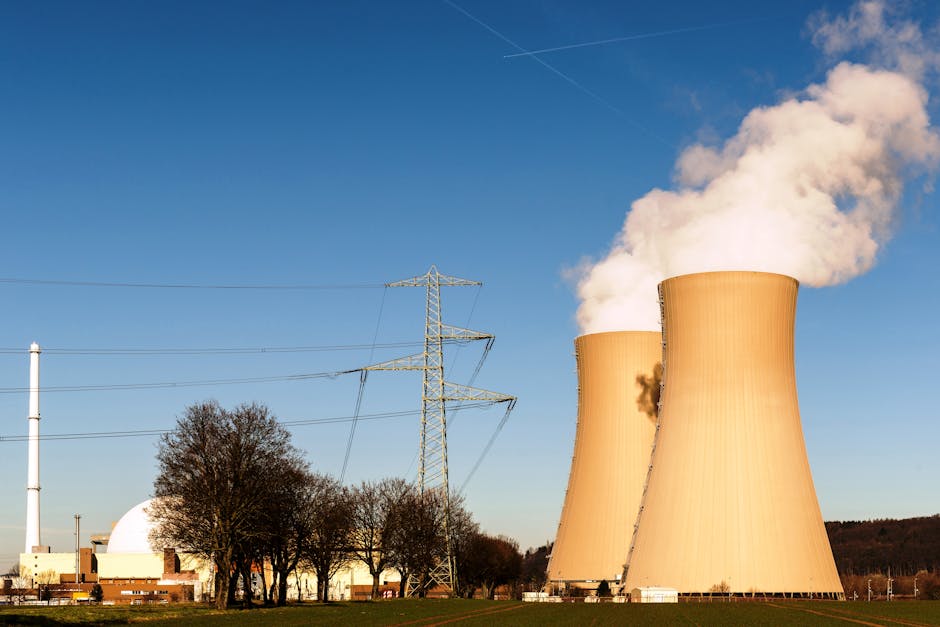
Nuclear plants don’t materialize overnight. The Vogtle Plant Unit 3 in Georgia, which finally came online in 2023, took 14 years to complete after breaking ground. Unit 4 followed seven months later. Both were seven years behind schedule and $17 billion over budget.
Small Modular Reactors (SMRs), the darling of the nuclear renaissance narrative, face their own delays. NuScale Power, the only SMR design with Nuclear Regulatory Commission approval, pushed its first commercial deployment from 2024 to 2030. The Utah Associated Municipal Power Systems project, initially slated for 77 modules, scaled back to just six due to cost concerns.
Even fast-tracked projects hit snags. TerraPower’s Natrium reactor in Wyoming, backed by Bill Gates and initially planned for 2028 startup, now targets the early 2030s. The delay? Supply chain issues and the complexity of integrating sodium-cooled reactor technology with existing grid infrastructure.
The permitting process alone devours years. The NRC’s standard review timeline for new reactor applications spans 42 months, assuming no complications. In practice, first-of-a-kind designs take longer as regulators scrutinize novel safety systems and operational procedures.
Grid Integration Challenges Tech Companies Underestimate
Tech companies signing nuclear power purchase agreements face a fundamental mismatch between their immediate energy needs and nuclear delivery timelines. Amazon’s 2024 deal with Talen Energy for power from the Susquehanna nuclear plant represents existing capacity, not new generation. Similarly, Google’s partnerships with Kairos Power target reactor deployments starting in 2030, not 2026.
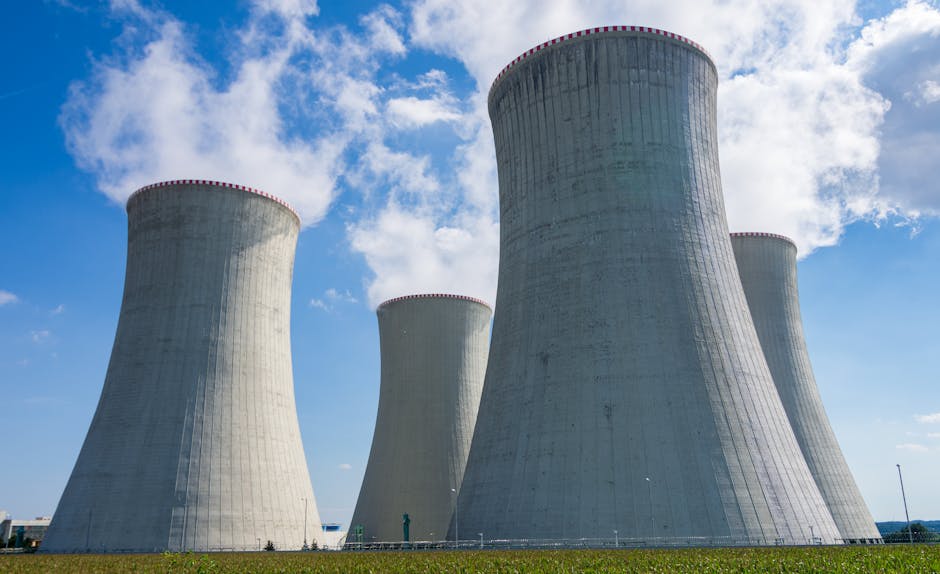
The grid integration complexity multiplies with SMRs. Unlike traditional large reactors that connect directly to transmission networks, SMRs require new distribution infrastructure. Each NuScale module generates 77 megawatts compared to 1,100+ megawatts from conventional plants. This distributed approach demands smart grid technology that doesn’t exist at scale.
Regional transmission organizations are already struggling with renewable energy integration. Adding variable nuclear sources compounds the challenge. The Midcontinent Independent System Operator (MISO) reports a 40-gigawatt interconnection queue backlog, with processing times extending beyond three years for complex projects.
The reliability question haunts nuclear advocates. While nuclear provides baseload power, new reactor designs introduce operational uncertainties. SMRs operate differently than proven light-water reactors, requiring new operator training and maintenance protocols. The Shippingport Atomic Power Station took two years of testing before commercial operation in 1957, and that was with simpler technology.
Economic Headwinds That Numbers Don’t Lie About
Nuclear construction costs have exploded, not declined. The Vogtle project’s final tab hit $35 billion for 2,200 megawatts of capacity—roughly $16,000 per kilowatt. Compare that to utility-scale solar at $1,000-$1,500 per kilowatt and wind at $1,200-$1,700 per kilowatt, both with much faster deployment.
SMR economics remain unproven. NuScale’s cost projections of $89 per megawatt-hour look optimistic compared to current renewable prices. Solar photovoltaic contracts are closing below $30 per megawatt-hour in favorable markets, while offshore wind prices have stabilized around $70-$90 per megawatt-hour.
The financing challenge is acute. Nuclear projects require massive upfront capital with payback periods exceeding 20 years. Private investors demand risk premiums that make nuclear financing expensive. Government loan guarantees help, but the Department of Energy’s loan program office processes applications slowly, adding months to project timelines.
Labor shortages compound cost pressures. The nuclear workforce aged out during the industry’s dormant period from 1990-2020. Training new nuclear engineers, reactor operators, and specialized construction workers takes years. The Nuclear Energy Institute estimates the industry needs 200,000 new workers by 2030, but current training programs graduate fewer than 5,000 annually.
What Actually Works for 2026 Climate Goals
If 2026 climate targets matter, focus on technologies that can deploy at scale immediately. Utility-scale solar installations can go from permitting to operation in 12-18 months. Wind projects take 24-36 months including environmental reviews.
Battery storage is the game-changer for renewable intermittency concerns. Lithium-ion battery costs dropped 90% from 2010-2020 and continue declining. The Moss Landing Energy Storage Facility in California added 400 megawatts of capacity in phases, with the latest expansion completed in under two years.
Energy efficiency delivers immediate returns. Industrial process optimization, building retrofits, and smart grid deployments reduce demand faster than any new generation source can come online. The Pacific Northwest’s energy efficiency programs have eliminated the need for three large power plants since 2000.
Grid modernization and demand response programs maximize existing clean energy capacity. California’s emergency demand response prevented blackouts during extreme weather by rapidly reducing consumption. Similar programs nationwide could reduce peak demand by 10-15%.
The Bottom Line for Climate Action
Nuclear energy deserves a place in long-term decarbonization strategies, but it won’t save 2026 climate commitments. The construction timelines, regulatory processes, and grid integration challenges are physics and bureaucracy, not marketing problems.
Companies and governments serious about 2026 goals should accelerate proven solutions: renewable energy deployment, battery storage, energy efficiency, and demand management. These technologies can scale within existing approval processes and deliver measurable emissions reductions before the next presidential election.
Nuclear’s renaissance may arrive by 2035, assuming current projects stay on track and costs stabilize. But climate action can’t wait for technologies that exist mainly in PowerPoint presentations and press releases.